
Welcome to the World of Mirror Sites!
Have you ever tried to access a website that has been blocked or taken down, only to find it ‘alive’ on an altogether different domain? Welcome to the world of mirror sites. In today’s highly complex internet ecosystem, where censorship, ISP restrictions, & takedowns are more common than ever, mirror websites usually serve as digital lifelines.
But here is the real question: Are mirror sites safe? Can using one get you into legal trouble? And how do you know if what you are clicking is legitimate or a hacker’s trap?
This blog will answer all your questions that often arise in your mind regarding mirror sites. You will understand what are mirror sites, how they usually function, their safety risks, & if mirror site legality is something that you should worry about. We will also look at tools & various useful tips for users to remain cautious & how to identify a trusted mirror site from a malicious one.
Table of Contents
What Are Mirror Sites?
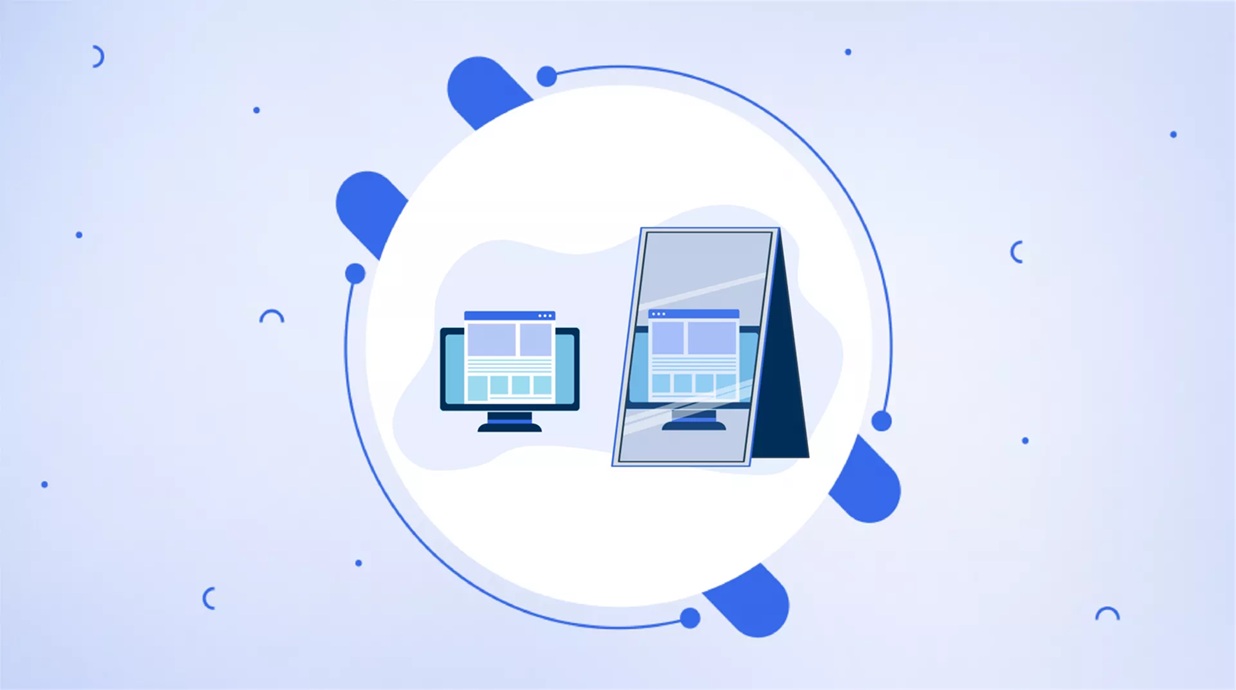
The definition of mirror website indicates that is nothing but a replica of another website, hosted on a different server or under a different domain. Its content, layout, & structure are identical (or nearly so) to the original site. These are usually created for different purposes:
Why Do Mirror Sites Exist?
- Resistance to Censorship – Sites like torrent platforms or politically sensitive content are often blocked by the Government or the ISPs.
- Load Distribution – Several popular open-source software or academic archives that display pirated content often use mirrors to spread download demand.
- Accessibility of Content – In several countries with internet surveillance or geo-restrictions, mirrors offer certain alternative paths to the same information.
Common Use Cases
- Torrent sites (e.g., The Pirate Bay)
- Scientific journal repositories (e.g., Sci-Hub)
- Linux distribution download mirrors (e.g., Ubuntu)
- Archive sites like Wayback Machine or Internet Archive
Mirror vs Proxy vs Clone vs. Archive
| Type of Site | Description of the Content Displayed |
| Mirror Site | The exact copy of content hosted somewhere else |
| Proxy Site | It relays user requests through another server |
| Clone Site | It is visually similar but not necessarily identical to the original site |
| Archive Site | These sites are time-stamped backup for historical reference |
How Do Mirror Sites Work?
In order to create a mirror site, developers copy the files of the original site & database onto another server. Here is a simplified breakdown of what happens to make a mirror site working:
- DNS Tweaking – This involves registering new domains (often with .tk, .xyz, or .net extensions)
- Backend Duplication – Using server replication tools or crawlers, the content of the original site is successfully duplicated.
- Syncing – Some legit mirrors auto-sync content with the original to stay up to date.
- CDNs – Several people use Cloudflare-like services in order to improve load time & mask origins.
Simple Flowchart Representing Mirror Website Mechanics
Original Website
↓
Content Clone → New Domain (Mirror)
↓
User Access
This particular setup often helps users bypass DNS filters or geo-blocks just with a few clicks.
Is It Safe to Use Mirror Sites?
A. Concerns Related to Cybersecurity
The big question that is often asked is “Are Mirror Sites Safe?” Mirror sites are usually unregulated, especially in the case of pirated content or file-sharing. This specifically opens the door for various significant threats:
- Malware Traps – Fake download buttons may potentially lead to ransomware or Trojans.
- Adware Pop-Ups – You click one link, & suddenly five pop-up ads flood your screen.
- Fake Login Pages – Some of the mirrors imitate login forms in order to harvest credentials.
B. Identity Theft and Tracking
- Unencrypted Connections – HTTP versions of mirror sites can potentially leak your data.
- IP Logging – Your real IP is visible unless you are behind a VPN.
- Cookies and Fingerprinting – These sites may silently collect the users’ browser data.
C. Red Flags for Unsafe Mirrors
- Random domains (e.g., katmoviehd. Buzz, thepiratebays.xyz)
- Several pop-ups or redirections that appear or flood the screen
- No SSL (no HTTPS)
- Asking for permissions (e.g., notifications, location)
D. Mobile Device Risks
Smartphones, especially Androids, are more vulnerable to APK downloads & app-based malware. Accessing mirror sites from mobile increases the risk exposure significantly.
Are Mirror Sites Legal?
It Depends on the Content
Let us set the record straight. When it comes to mirror site legality, you should keep in mind that not all mirror sites are illegal. It depends on what they host:
| Type of Mirror | Legal Status |
| Ubuntu Linux download site | Legal |
| Torrent site for various pirated movies | Illegal |
| Academic journal mirror (Sci-Hub) | Controversial (it varies by country) |
Legal Risks for the Users
- Viewing vs. Downloading – Just viewing the content may not be illegal, but downloading pirated content can be considered illegal.
- Civil Penalties – Fines or cease-&-desist notices
- Criminal Penalties – Rare but possible, especially for mass downloaders.
- Jurisdiction-Specific:
- US: DMCA takedowns
- India: IT Act (Section 66A, 69)
- EU: Digital Services Act
How to Use Mirror Sites Safely?
The priority of millions of users is how to safely access mirror sites. If you often access a mirror site, here is a checklist to reduce your risk. Following the below-mentioned tips will help you in using mirror sites securely:
VPN + Antivirus = Must
- Use a VPN with no logs, split tunnelling, & DNS leak protection
- Run real-time protection antivirus software
Browser Add-ons
- uBlock Origin – the browser add-ons blocks scripts & trackers.
- HTTPS Everywhere – It forces encrypted connections.
- NoScript – It prevents malicious scripts from running on your system.
5-Step Mirror Safety Checklist to Follow
- Firstly, check for HTTPS.
- Then verify the authenticity via community forums (e.g., Reddit).
- Avoid sites that requires login or download permissions.
- Use incognito mode &never save the credentials.
- Disable JavaScript unless it is necessary.
Examples of Legitimate vs. Risky Mirror Sites
| Type of Site | Legal | Safety Risk | Example |
| Linux Distro Mirror | Yes | Low | mirror.karneval.cz |
| Torrent Mirror | No | High | pirateproxy.live |
| Educational Archive | Yes | Low | archive.org |
| Streaming Mirror | No | High | katmoviehd.unblockit. |
Trends in 2025: Are Mirrors Becoming Riskier?
Rise of Fake Mirrors
Determining the cybersecurity risks 2025 is very crucial. AI-generated mirror sites are continually popping up more frequently, mimicking the structure of various legitimate ones. What are their purpose? Phishing, malware, or ad revenue.
DNS Poisoning & ISP Involvement
As per the mirror site trends, some ISPs now are found to engage in DNS-level rerouting, redirecting the mirror traffic to various warnings or malware-laden pages.
Security Tools Are Perpetually Evolving
Several browsers are rolling out real-time threat alerts that are powered by machine learning. Google, Firefox, & Edge have increased the flagging of various suspicious domains.
Enforcement Surge
Search engines like Google are reported to conduct delisting mirror URLs faster. Anti-piracy coalitions are investing heavily in various AI-powered takedown systems.
Final Thoughts: Should You Trust Mirror Sites?
Here is the TL;DR version:
- If the original content is considered legal, so is the mirror.
- In case the source is found to be illegal, then the mirror is no safer.
- It is always wise to verify, use robust security tools, & stay informed.
Mirror sites are not inherently bad—but using them comes with a steep risk profile if you are not cautious.
Frequently Asked Questions (FAQs)
What is a mirror site?
A mirror site is a duplicate of another website, that is hosted on a different domain or server. It looks & functions the same as the original.
Are mirror sites safe to use?
The mirror sites are not always safe to be used. While some are considered to be legitimate, many carry malware, phishing threats, or even outdated information.
Can I be tracked while using various mirror sites?
Yes. Without a VPN or if you do not use a secured connection, your IP & browser activity may be logged.
Are mirror sites legal?
It depends whether mirror sites are legal or not. Open-source mirrors are usually legal, while mirrors hosting pirated content are considered to be illegal.
How do I know if a mirror site is real?
Check Reddit communities, use HTTPS, & avoid suspicious domains or excessive redirects.
Are You Willing to Receive More Cybersecurity Tips?
Keep an eye on this blog for more guides on streaming safety, torrent alternatives, & how to stay private online in 2025.
Stay informed. Stay secure. Surf smart.